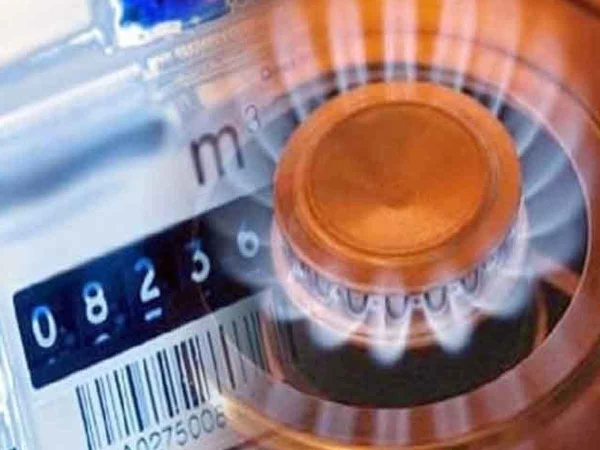
Pakistan has decided to gradually end the Rs140 billion cross-subsidy currently given to gas consumers as part of its economic reform commitments with the International Monetary Fund (IMF). According to government officials, the subsidy system is expected to be completely removed by January 2027.
Under the current system, protected and some low-usage consumers receive gas at lower prices, while industries, commercial users, CNG stations, cement companies, and high-consumption households pay higher rates to cover the cost. However, the government now plans to replace this model with a more targeted support system.
After the new policy is introduced, subsidies on gas and electricity will no longer be based on how much energy a person uses. Instead, financial support will be provided according to household income. For this purpose, the government plans to use data from the Benazir Income Support Programme to identify low-income families who qualify for assistance.
Officials said all consumers may eventually pay a standard average gas tariff, while only financially deserving households will receive direct support. The current average gas tariff is around Rs1,750 per MMBtu, but many protected users are still paying much lower rates.
The policy was also discussed during an important meeting in Islamabad between Finance Minister Muhammad Aurangzeb and the IMF mission led by Iva Petrova. During the talks, both sides reviewed Pakistan’s economic situation, budget planning, and key reform measures aimed at improving long-term financial stability.