
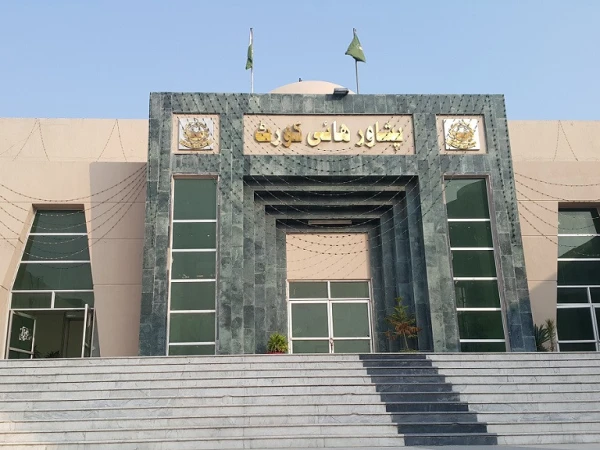
In a significant legal intervention, the Peshawar High Court (PHC) has issued a stay order against the deportation of Masihullah, an Afghan citizen who previously served with US forces in Afghanistan. A two-member bench restrained the Ministry of Interior from sending the petitioner back to his home country, where he reportedly faces severe life threats. The court has demanded a formal response from the relevant authorities by June 29, 2026.
The Urgent Legal Protection for a Former Ally
The case revolves around Masihullah, a US-Allied Afghan National in Pakistan who fled Kabul following the Taliban’s takeover. According to his legal counsel, the petitioner moved to Pakistan to save his life after his former role with foreign military forces made him a target. The Peshawar High Court recognized the potential risks involved and ordered that no deportation action be taken until the legal merits of his stay are fully examined.
Asylum Prospects and International Relocation
During the proceedings, it was revealed that the petitioner has already submitted a formal asylum application to the Canadian Embassy. This application is currently being processed, and the legal team argued that forced deportation at this stage would not only jeopardize his life but also disrupt a legitimate international resettlement process. For this reason, the court was requested to allow the US-Allied Afghan National in Pakistan to remain in the country until his relocation is finalized.
Latest Judicial Stand and Government Notice
The court’s decision reflects the complex humanitarian challenges Pakistan faces regarding Afghan refugees. By issuing notices to the Ministry of Interior and other stakeholders, the PHC has frozen any immediate administrative action. The case is now set for a follow-up hearing on June 29, 2026, by which time the government must clarify its position. For now, the US-Allied Afghan National in Pakistan remains under the protection of the court.